



Nearly 456,000 children in the U.S. have epilepsy, and many more experience seizures at some point in childhood.
This guide covers what you need to know—recognizing seizures, responding safely, understanding treatment, and finding specialized care. If you're already looking for care that understands seizures, schedule a tour of Spark Pediatrics to learn how we can help.
Quick Facts About Seizures in Children
- Seizures don't always look dramatic. Sometimes they're brief staring spells or subtle twitches.
- Most seizures stop on their own within two minutes.
- Stay calm and keep your child safe. Never put anything in their mouth.
- Call 911 if a seizure lasts longer than 5 minutes or if it's your child's first seizure.
- Many children outgrow epilepsy. About two-thirds become seizure-free by early adulthood.
Recognizing Seizures in Children
Seizures happen when abnormal electrical activity disrupts brain signals. They can look different from child to child.
Common signs include:
- Sudden staring or pausing mid-activity
- Jerking or twitching of arms, legs, or body
- Body stiffening
- Brief unresponsiveness (10-20 seconds)
- Confusion after the episode
- Unusual repetitive movements (lip-smacking, hand rubbing)
- Sudden falls without apparent cause
Some children experience an "aura" beforehand—a warning sign like déjà vu, an odd smell, or a stomach sensation.
The Epilepsy Foundation's seizure recognition guide offers visual examples of different seizure types.
Types of Seizures in Children
Seizures fall into two categories: focal (starting in one brain area) and generalized (affecting the whole brain).
Infantile Spasms
These appear as sudden body stiffening in babies 4-18 months old, usually in clusters when waking. Contact your pediatrician immediately if you notice these—early treatment is critical. Visit the Infantile Spasms Action Network for urgent guidance.
Febrile Seizures
Fever-triggered seizures affect 2-5% of children ages 6 months to 5 years. While scary to witness, they typically don't cause lasting problems. HealthyChildren.org has helpful information.
What to Do During a Seizure
Most seizures stop on their own within two minutes. Your job is to keep your child safe until it ends.
During the seizure:
- Stay with your child and clear the area of hard objects
- Ease them to the ground; place something soft under their head
- Turn them gently on their side to keep the airway clear
- Time the seizure using your phone
- Speak calmly—they may hear you even if they can't respond
After the seizure:
- Comfort your child; they may be confused or tired
- Wait until they're fully alert before offering food or water
- Note what happened while it's fresh
Never: Put anything in their mouth, hold them down, or try to stop the movements.
Download the Epilepsy Foundation's printable first aid guide to share with caregivers.
When to Call 911
Call 911 if a seizure lasts longer than 5 minutes—this is called status epilepticus and requires immediate treatment.
Also call 911 if:
- Multiple seizures occur without recovery between them
- Your child has trouble breathing or turns blue
- The seizure happens in water
- Your child is injured
- It's their first seizure
Seizure Diagnosis and Treatment
Your pediatrician will likely refer you to a pediatric neurologist for evaluation. Common tests include EEG (brain wave recording), MRI or CT scan, and blood tests.
Medication
Anti-seizure medications are typically the first treatment. Finding the right medication takes time, and consistency matters—missing doses is the leading cause of breakthrough seizures.
Other Options
For seizures that don't respond to medication, options may include the ketogenic diet (a high-fat, low-carb approach), surgery, or nerve stimulation. The Charlie Foundation is a helpful resource for dietary therapy.
If you've recently received a diagnosis, our guide for parents who just learned their child has a medical complexity covers organizing medical information and building your care team.
Keeping Your Child Safe
A seizure action plan tells caregivers exactly what to do. Include your child's seizure type, medications, response steps, and emergency contacts. Share it with school, babysitters, and family.
Download a free template from the Epilepsy Foundation.
At Home
Use low beds, pad sharp corners, supervise bath time, and consider stair gates. An adult should always be within arm's reach during swimming or bathing.
At School
Federal law requires schools to accommodate children with epilepsy. This includes medication administration and seizure response protocols. The Epilepsy Foundation's school guide explains how to work with your child's school.
Tracking Triggers
Common triggers include missed medications, poor sleep, illness, and stress. The Epilepsy Foundation's Seizure Diary helps identify patterns.
Finding Childcare for Children with Seizures
Traditional daycares often aren't equipped to care for children with seizure disorders. Staff may lack training in seizure response or authorization to administer rescue medications.
This is a real challenge—and it's not your fault that options feel limited.
To understand your choices, compare private duty nursing vs. medical daycare and medical daycare vs. traditional daycare.
What Is PPEC?
PPEC (Prescribed Pediatric Extended Care) centers are medical daycares designed for children with complex health needs, including seizure disorders.
PPECs provide:
- Continuous nursing supervision
- Medication administration on schedule
- Staff trained in seizure response
- Coordination with your child's medical team
- Socialization with peers who understand medical needs
Medicaid typically covers PPEC at 100%. Learn what PPEC is and how it works, and check the eligibility requirements to see if your child qualifies.
How Spark Pediatrics Supports Children with Seizures
At Spark Pediatrics, our nurses learn your child's unique seizure patterns and know exactly how to respond.
What we provide:
- Each center staffed with at least one nurse with pediatric critical care experience
- Staff-to-child ratios typically around 1:3
- Medications administered on exact schedules
- Rescue medication administration when prescribed
- Collaboration with your child's neurologist
- Some therapy services on-site, plus space for your child's existing therapists
- Daily updates about your child's care
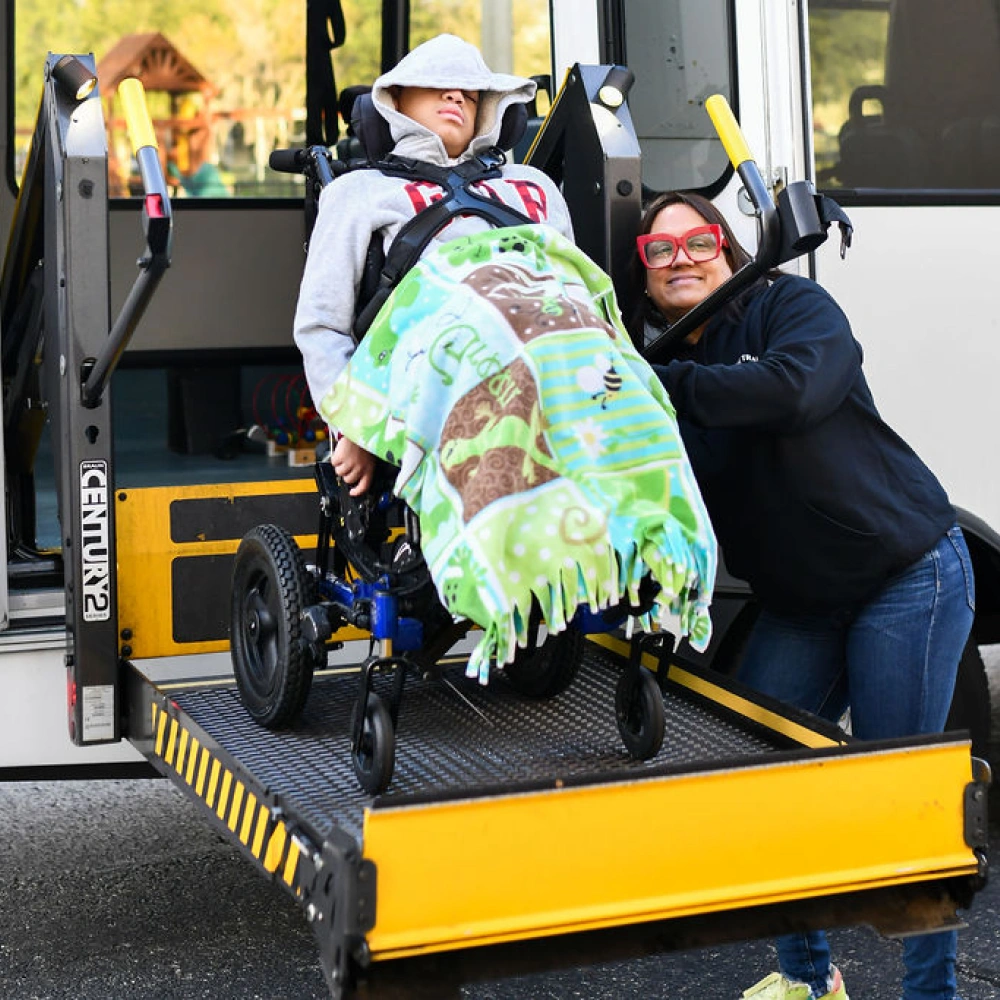
- Transportation coordination through Medicaid
"My son has epilepsy and autism. When I found this place, it was like a godsend. It's peace of mind knowing all the staff are nurses or medically trained."
— Jennifer F., Spark parent
Meet our caregivers or see what a typical day looks like.
Medicaid covers services with zero out-of-pocket cost. Learn how to apply for Medicaid for PPEC.
Looking Ahead
About two-thirds of children with epilepsy become seizure-free by their teens or early twenties. Many children with controlled seizures participate fully in school, sports, and activities.
The Epilepsy Foundation can connect you with local support groups for families.
Frequently Asked Questions
Can seizures cause brain damage?
Brief seizures (under 5 minutes) typically don't cause brain damage. Seizures lasting longer need immediate treatment.
Will my child outgrow epilepsy?
Many children do—about two-thirds become seizure-free by early adulthood.
Can my child play sports?
Most children with controlled seizures can participate with appropriate precautions. Discuss specific activities with your neurologist.
What is SUDEP?
Sudden Unexpected Death in Epilepsy is rare (about 1-2 per 1,000 children with epilepsy yearly). Good seizure control through consistent medication is the best prevention.
Where can my child get care if daycare won't accept them?
PPEC centers provide nursing care, medication management, and seizure monitoring. Check PPEC eligibility to learn more.
Next Steps
If finding reliable care has been a challenge, specialized medical daycare may help. At Spark Pediatrics, our nurses work with your child's neurologist to provide consistent care in a supportive environment.
Learn how to enroll in PPEC or schedule a tour to visit us.