

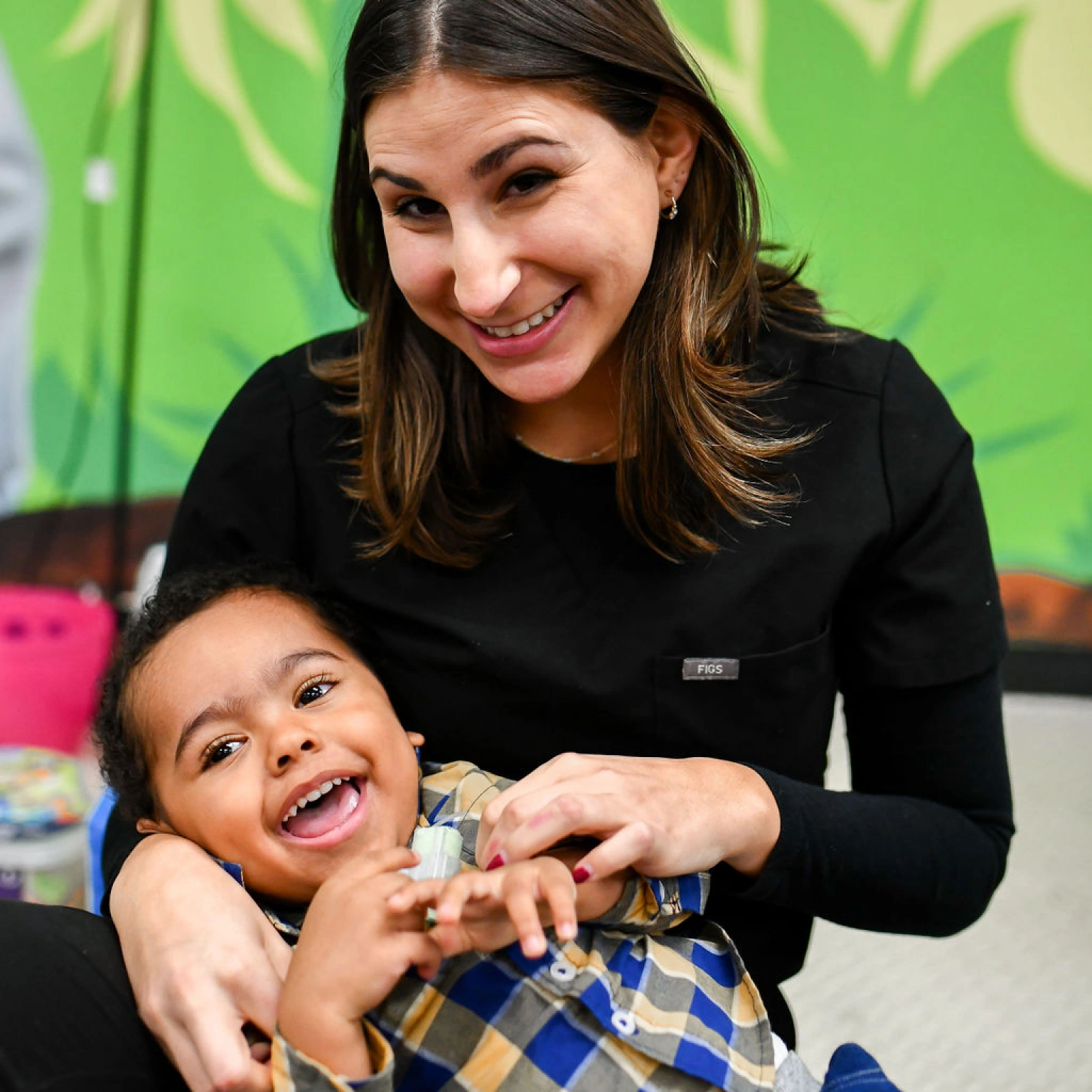


A cardiac baby is an infant or young child born with a congenital heart defect—a structural problem with the heart or blood vessels present at birth. About 40,000 babies are born with heart defects annually in the United States.
These defects range from simple holes that may heal on their own to critical conditions requiring surgery within days of birth. About 1 in 4 babies with heart defects have a critical CHD needing surgery or procedures within their first year.
The encouraging news? Survival rates have dramatically improved—97% of babies with non-critical defects and 75% with critical defects now survive to at least 18 years.
For detailed information about specific heart defects and treatments, visit the American Heart Association's guide or Mayo Clinic's comprehensive resource.
Common Signs of Heart Defects in Babies
Many heart defects are diagnosed during pregnancy ultrasounds or shortly after birth through newborn screening. Common signs include blue or gray coloring of lips or fingernails (cyanosis), rapid breathing, poor feeding with fatigue, slow weight gain, and excessive sweating during feeding.
Call your doctor immediately if your baby has severe cyanosis, gasps for breath, or shows sudden changes in color or breathing.
Why Cardiac Babies Need Specialized Care
Cardiac babies typically require precise medication administration at specific times, continuous oxygen monitoring using pulse oximetry, specialized feeding techniques, and immediate recognition when their condition changes. This level of care requires medical expertise and equipment beyond what traditional childcare settings can provide.
Why Traditional Daycare Can't Safely Care for Cardiac Babies
Traditional daycare centers cannot safely care for babies with serious heart defects because they lack medical staff, equipment, and protocols for cardiac care. State licensing typically prohibits daycare staff from administering prescription medications, and staff receive only basic first aid training.
Here's what's missing:
- No medical staff: Basic first aid training, not nursing care
- No monitoring equipment: No pulse oximetry or vital sign tracking
- No medication capability: Cannot administer cardiac medications
- High staff ratios: Typically 1:10 or higher, preventing continuous observation
- No emergency protocols: No cardiac emergency training beyond calling 911
However, cardiac babies can attend specialized medical daycare (PPEC) that provides skilled nursing care in a safe, nurturing environment.
Comparison: Traditional Daycare vs. Medical Daycare (PPEC)
| Feature | Traditional Daycare | Medical Daycare (PPEC) |
|---|---|---|
| Staff | Basic first aid | Registered nurses |
| Equipment | First aid kit | Pulse oximetry, oxygen, monitoring |
| Medications | Not permitted | Full nursing capability |
| Ratio | 1:10+ | 1:3 or better |
| Monitoring | None | Continuous vital signs |
Wondering about other care options? Read our complete guide to special needs daycare for children with complex medical conditions.
How PPEC Provides Specialized Care for Babies with Heart Defects
PPEC (Prescribed Pediatric Extended Care) centers provide skilled nursing care, continuous medical monitoring, and emergency preparedness specifically designed for cardiac babies. Licensed medical facilities staff PPEC with pediatric nurses who administer medications, track vital signs, and coordinate with cardiologists—all while children participate in age-appropriate activities and therapy.
PPEC is fully covered by Medicaid with zero out-of-pocket costs for eligible families.
Want comprehensive details about how PPEC works? Read our complete guide: What is a PPEC?
Here's how PPEC specifically supports cardiac babies:
Cardiac-Qualified Nursing Staff
Every Spark Pediatrics center is continuously staffed with at least one nurse who has pediatric critical care or NICU experience—the background needed to recognize subtle cardiac changes. These nurses have managed medically fragile babies in intensive care settings, administered cardiac medications hundreds of times, and responded to cardiac emergencies.
With staff-to-child ratios of 1:3 or better, nurses can provide the continuous observation cardiac babies require.
Continuous Monitoring and Medication Management
PPEC nurses use pulse oximetry throughout the day to track oxygen saturation and monitor vital signs including heart rate, respiratory rate, and blood pressure. They continuously observe color, activity level, feeding tolerance, and breathing patterns.
Nurses administer cardiac medications at precise times following cardiologist orders exactly, adjust weight-based dosing as babies grow, and monitor for side effects. When one medical team coordinates all medication administration, accuracy improves and errors decrease.
Emergency Preparedness and Cardiologist Coordination
PPEC centers maintain emergency equipment on-site including oxygen, rescue medications (when prescribed), and AEDs. Staff are trained in pediatric cardiac emergency response. Backup power systems ensure monitoring equipment continues functioning during outages.
Centers follow cardiologist care orders exactly and maintain regular communication about each child's status. PPEC nurses share daily observations and vital sign trends, and can schedule specialist visits during center hours with coordinated transportation.
Concerned about coordinating your child's care team? Talk with our specialists about how Spark coordinates with cardiologists and manages complex care plans.
Proven Health Outcomes
Cardiac children with heart failure face significantly higher hospitalization rates than healthy children. At Spark, continuous professional oversight by trained nurses catches early warning signs before they escalate to emergencies, and our families consistently experience fewer hospital visits over time.
Integrated Development and Therapy
CDC data shows 60% of children with heart conditions have special healthcare needs beyond their cardiac diagnosis, and they're 50% more likely to need special education services.[1] PPEC centers offer dedicated therapy spaces where your child's own physical, occupational, and speech therapists can deliver sessions during center hours, simplifying your family's schedule.
Children also benefit from socialization with peers and age-appropriate developmental activities designed by child development specialists.
A Typical Day at PPEC for Cardiac Babies
Morning: Health check upon arrival with vital signs and pulse ox placement. Medication administration. Specialized feeding with monitoring.
Midday: Developmental play with peers. Therapy sessions (PT, OT, speech). Lunch with feeding support. Rest time with continuous monitoring. Midday medications.
Afternoon: Continued activities and therapy. Outdoor play with portable monitoring (weather permitting). Afternoon medications. Final health check with parent report.
Throughout: Nurses continuously observe breathing patterns, color, activity level, and feeding tolerance. Any changes are addressed immediately.
Does Your Cardiac Baby Qualify for Medical Daycare?
Most cardiac babies qualify for PPEC if they need skilled nursing care throughout the day, regardless of family income. Eligibility depends on medical needs, not finances.
Basic requirements:
- Child is birth through age 20
- Active Medicaid coverage
- Physician certification that skilled nursing is medically necessary
- Medically stable (not requiring active hospitalization)
Cardiac conditions that commonly qualify:
- Critical congenital heart defects requiring continuous monitoring
- Heart failure requiring daily medication management
- Complex arrhythmias needing nursing oversight
- Post-cardiac surgery recovery
- Conditions requiring continuous oxygen or pulse oximetry
- Single ventricle conditions (HLHS, tricuspid atresia, etc.)
- Any cardiac diagnosis where a cardiologist certifies skilled nursing is necessary
Complete eligibility details and Medicaid application process: How to Apply for Medicaid for PPEC Services
Enrollment Process
The PPEC submits required documentation to Medicaid for approval, typically completing the process within 1-2 weeks. Most PPEC centers have enrollment specialists who handle all paperwork and Medicaid authorization.
Steps:
- Verify Medicaid eligibility
- Obtain physician prescription and medical necessity documentation
- PPEC evaluates child's specific needs
- Medicaid authorization (1-2 weeks)
- Child begins attending
Questions about whether your child qualifies? Our specialists can review your child's specific condition and walk you through the process.
Choosing a Medical Daycare for Your Cardiac Baby
When evaluating PPEC centers for cardiac babies, ask questions that specifically address cardiac care capabilities, not just general services.
Cardiac-specific evaluation criteria:
✓ Do nurses have NICU or pediatric critical care experience?
✓ What pulse oximetry and cardiac monitoring equipment is available?
✓ What are the cardiac emergency protocols?
✓ Have you cared for children with my baby's specific condition?
✓ How do you coordinate with pediatric cardiologists?
✓ Do you have backup power for monitoring equipment?
✓ What is your staff-to-child ratio?
Complete evaluation framework: 10 Questions Every Parent Should Ask When Choosing a Special Needs Daycare
Why Spark Pediatrics for Cardiac Babies
Spark Pediatrics operates Florida's largest PPEC network, with 20 centers across Florida, Texas, Pennsylvania, and Louisiana. Every Spark center is continuously staffed with at least one nurse possessing pediatric critical care or NICU experience.
Our centers maintain pulse oximetry devices, emergency oxygen, cardiac monitoring capabilities, and backup power systems. We've established relationships with pediatric cardiologists across Florida and Texas for seamless coordination.
Families report reduced hospitalizations, improved development, and confidence that comes from expert care. Our centers feature staff fluent in Spanish and Haitian Creole with cultural competency training.
Talk with our team about your child's specific heart condition →
Getting Started with PPEC
If your baby requires skilled nursing interventions throughout the day, PPEC may be a good fit. If you're looking for safe childcare that accommodates cardiac care needs, or if your baby needs a place where their existing therapists can deliver sessions alongside skilled nursing care, PPEC offers that coordination in one location.
During your consultation:
- Medical director discusses your child's specific cardiac condition and care requirements
- Tour the facility, equipment, and observe staff interactions
- Meet nurses who would care for your child
- Ask questions specific to your situation
- Review how the center would meet your child's unique needs
Come prepared with cardiologist records, medication lists, equipment needs, and questions. The timeline from consultation to first day averages 1-2 weeks.
Frequently Asked Questions About Medical Daycare for Cardiac Babies
Can my cardiac baby attend PPEC after heart surgery?
Yes, many cardiac babies attend PPEC during post-surgical recovery once medically stable enough to leave the hospital. Your child's surgeon and cardiologist determine when they're ready—typically when they no longer require hospital-level interventions but still need skilled nursing oversight. PPEC nurses coordinate with surgical teams to follow post-operative protocols and monitor for complications.
How are cardiac emergencies handled at PPEC?
Every Spark center has nurses trained in pediatric cardiac emergencies with emergency equipment including oxygen, rescue medications, and AED on-site. Centers maintain protocols specific to each child's cardiac condition with direct communication to cardiologists and EMS. Backup power ensures monitoring equipment continues functioning. Parents receive immediate notification of any emergency. Most issues are caught and resolved before becoming emergencies.
Will PPEC coordinate with my pediatric cardiologist?
Yes, coordination with your child's cardiologist is essential. PPEC centers follow cardiologist care orders exactly, share daily observations and vital sign trends, and maintain open communication about progress. Centers can schedule cardiologist visits during PPEC hours with coordinated transportation, or facilitate virtual check-ins at the center.
Is my baby too fragile for a group setting?
If your cardiologist certifies your baby is medically stable (not requiring active hospitalization), they can safely attend PPEC even with complex cardiac needs. Staff ratios of 1:3 or better provide more direct attention than many home settings. PPEC centers have successfully cared for cardiac babies requiring ventilators, continuous oxygen, multiple medications, and feeding tubes.
What happens if oxygen levels drop?
Nurses monitor pulse oximetry continuously and respond immediately to oxygen desaturation according to your child's specific protocols—this may include position changes, supplemental oxygen, or contacting medical providers. Most oxygen level changes are managed successfully at the center, preventing emergency room visits.
Have additional questions? Our specialists can help →
Conclusion
Medical daycare (PPEC) provides skilled nursing care, continuous monitoring, and emergency preparedness for cardiac babies—while also offering socialization, therapy, and developmental support.
Spark Pediatrics specializes in caring for cardiac babies across Florida's largest PPEC network and in Texas. Our NICU-experienced nurses, cardiac monitoring equipment, and proven outcomes give families confidence while children thrive.
Schedule a consultation to discuss your cardiac baby's needs →